
Table of Contents
ToggleIn a world where gadgets run hotter than a summer day in the desert, understanding device heat dissipation is more crucial than ever. Whether it’s your smartphone struggling to keep cool during a Netflix binge or your gaming console sounding like a jet engine, heat management can make or break your tech experience.
Understanding Device Heat Dissipation
Device heat dissipation refers to the process of dispersing heat generated by electronic components. Effective heat management ensures optimal performance and longevity of devices.
What Is Heat Dissipation?
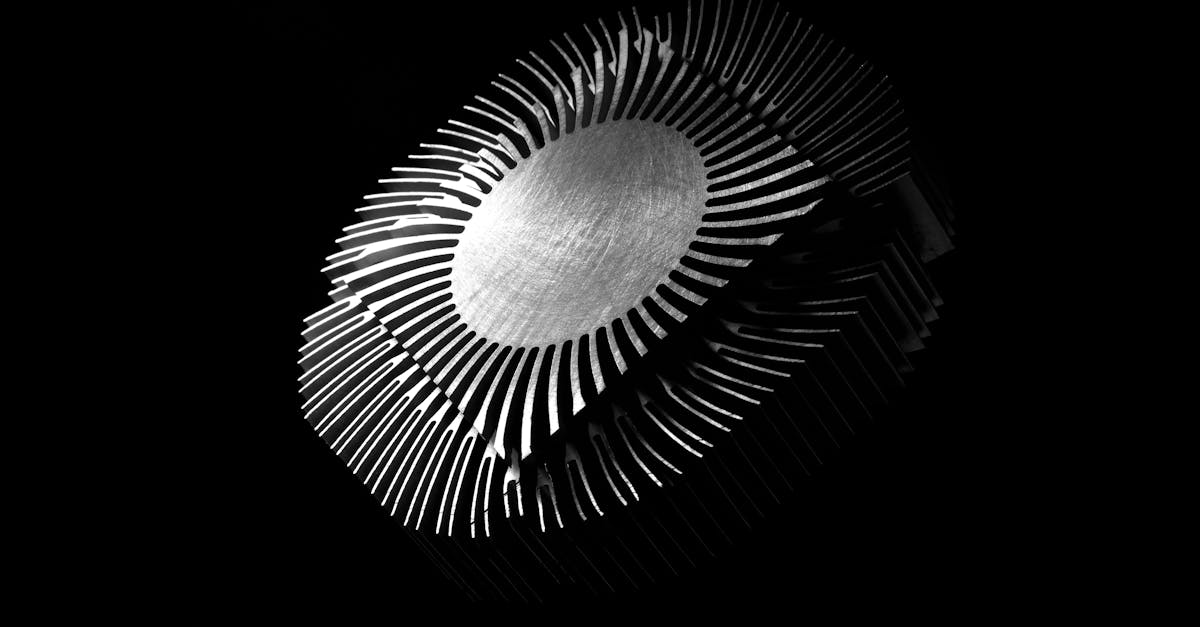
Heat dissipation involves the transfer of thermal energy away from electronic components to prevent overheating. Electronics produce heat during operation, particularly in high-performance tasks. This heat, if not managed properly, can lead to malfunctions and reduced efficiency. Effective cooling solutions, such as heat sinks and thermal paste, enhance heat dissipation by increasing surface area and improving thermal conductivity.
Importance of Effective Heat Management
Effective heat management is crucial for maintaining device performance and reliability. Excessive heat can lead to thermal throttling, wherein devices automatically reduce processing speed to avoid damage. Prolonged high temperatures may also shorten the lifespan of components, leading to costly repairs or replacements. Investing in proper heat management solutions not only enhances user experience but also ensures devices operate efficiently under demanding conditions.
Common Causes of Heat Accumulation
Heat accumulation often results from various factors impacting device performance. Identifying these causes can enhance heat dissipation strategies.
High-Performance Components
High-performance components generate significant heat during operation. Processors and GPUs, for instance, create substantial thermal energy during demanding tasks. Increased workloads lead to elevated temperatures, necessitating robust cooling solutions. Inadequate cooling methods can hinder performance, causing thermal throttling. Proper thermal paste application enhances heat transfer between components and heat sinks. Optimal airflow within the device also contributes to effective heat dissipation, ensuring components operate within safe temperature ranges.
Environmental Factors
Environmental factors significantly influence heat accumulation. Ambient temperature plays a crucial role in device cooling efficiency. Higher external temperatures can impede heat dissipation, causing devices to retain more heat. Dust accumulation within vents and fans can restrict airflow, exacerbating overheating issues. Humidity levels may also impact thermal performance by reducing the effectiveness of cooling systems. Ensuring a clean environment and adequate ventilation can mitigate these environmental challenges.
Methods of Device Heat Dissipation
Effective heat dissipation methods ensure electronic devices function optimally. Both passive and active cooling techniques play critical roles in managing heat.
Passive Cooling Techniques
Passive cooling techniques utilize natural heat transfer processes to dissipate heat. Heat sinks effectively draw heat away from components, using metallic materials like aluminum or copper for efficient conduction. Improved surface area enhances this process; larger fins increase airflow and improve thermal management. Thermal pads also contribute by filling gaps between components and heat sinks, ensuring better contact and heat transfer. Furthermore, convection currents help move heat away from devices without additional energy consumption. Simple solutions like case design that allows airflow improve overall cooling without complicating the system.
Active Cooling Solutions
Active cooling solutions employ fans and liquid cooling systems to enhance heat dissipation. Fans circulate air around hot components, significantly lowering temperature levels. Liquid cooling systems, which use a coolant to transfer heat away, often fit in high-performance setups like gaming rigs. Radiators and pumps in these systems maintain consistent coolant flow, ensuring efficient cooling even during intensive tasks. Additionally, some devices incorporate thermoelectric coolers, which actively transfer heat using electrical energy. These solutions are more intricate but provide enhanced cooling for demanding applications. They maintain stability during high performance, which is essential for reliability and durability.
Innovations in Heat Dissipation Technologies
Innovations in heat dissipation technologies enhance the efficiency of electronic devices. These advancements focus on improving thermal management solutions to ensure device reliability.
Advanced Materials
Advanced materials play a crucial role in heat dissipation. Graphene, known for its exceptional thermal conductivity, offers an efficient alternative to traditional substances. Carbon nanotubes also exhibit superior heat transfer capabilities, enabling better management in high-performance environments. Metal matrix composites combine metals with ceramics to enhance thermal performance while reducing weight. Flexible heat spreaders made from these materials enable innovative designs that optimize airflow. Implementing advanced materials in heat sinks and thermal interface products significantly boosts efficiency, supporting the longevity of electronic components.
Smart Cooling Systems
Smart cooling systems represent a leap forward in managing device temperatures. These systems utilize algorithms to monitor and adjust cooling according to real-time conditions. Active sensors track temperature fluctuations, triggering fans or pumps only when necessary. This on-demand approach minimizes energy consumption, ensuring quieter operation during low-demand tasks. Liquid cooling solutions also benefit from automation, allowing precise control over coolant flow rates, promoting optimal performance. Incorporating machine learning enables systems to predict thermal events, enhancing responsiveness and effectiveness. Smart cooling systems adapt to various usage scenarios, ensuring devices maintain ideal operating temperatures.
Best Practices for Device Heat Management
Effective heat management plays a crucial role in maintaining device performance and longevity. Following best practices for heat dissipation can significantly enhance cooling efficiency.
Designing for Heat Dissipation
Prioritizing cooling solutions during the design phase leads to better heat management in electronic devices. Engineers should select materials with high thermal conductivity, such as aluminum and copper, for components. Incorporating heat sinks and thermal pads maximizes heat transfer. Inefficient designs often cause heat buildup, resulting in performance drops. Enhancing case designs by promoting airflow supports effective cooling. Adequate spacing between components also contributes to efficient heat dissipation. User accessibility is essential; ensuring ventilation openings doesn’t hinder functionality enables better airflow.
Regular Maintenance Tips
Performing regular maintenance can greatly improve heat dissipation. Keeping devices free from dust allows for better airflow around components. Users should clean vents and fans routinely to prevent dust accumulation. Ensuring proper application of thermal paste enhances the thermal interface between components and heat sinks. Monitoring ambient temperatures helps identify unsuitable operating environments that may cause overheating. Using compressed air can effectively clear dust from internal components and maintain optimal performance. Regular software updates can also ensure that cooling algorithms operate efficiently during high-demand scenarios.
Effective heat dissipation is crucial for the performance and longevity of electronic devices. By understanding the challenges and implementing appropriate cooling solutions, users can prevent overheating and maintain optimal functionality. Innovations in materials and smart cooling systems are paving the way for more efficient heat management strategies.
Prioritizing cooling during the design phase and adhering to best practices can significantly enhance device reliability. Regular maintenance and monitoring of environmental factors further contribute to optimal heat dissipation. By taking these proactive measures, users can ensure their devices remain efficient and durable, ultimately enhancing their overall experience.