
In an age where a simple tap on a smartphone can change our lives, technology has woven itself into the very fabric of our daily existence. Gone are the days when you needed a map to find your way or a newspaper to learn the latest news. Now, communication, education, health, and even our homes have transformed, all thanks to the relentless march of technology. And while some may lament these changes, others embrace the conveniences they bring. Buckle up as we jump into the world of technology in daily life, who knows, you might just find a few reasons to thank your device today.
The Role of Technology in Communication

Impact on Personal Relationships
In the whirlwind of tweets, texts, and video calls, personal relationships have taken a new turn. Friends used to linger over cups of coffee, now they connect through screens across continents. Technology has rekindled friendships, turning long-lost buddies into weekly video call pals. Even though the distance, it allows for spontaneous reactions via emojis, making conversations richer and faster. It’s easy to argue that while tech may distance us physically, it brings us closer on many emotional levels.
Online Collaboration Tools
Take a moment to think about how teams collaborate now. Tools like Slack, Microsoft Teams, and Zoom have revolutionized the workplace. Instead of coffee breaks, coworkers now meet in virtual rooms to brainstorm ideas or finalize project details. This tech-enabled collaboration streamlines workflows, making work-life more productive. Collaboration, once only possible in the same room, can now happen anytime, anywhere, enhancing teamwork like never before.
Changes in Social Interaction
Social media has transformed social interaction in profound ways. Conversations that once required face-to-face interaction now often occur in comment sections and direct messages. Platforms like Instagram and TikTok have not only connected friends but created communities around shared interests. But, many individuals have begun to ponder: “Are we becoming too reliant on screens for social engagement?” This evolution has sparked debate about genuine interaction versus the kind we experience through pixels and screens.
Technology In Education
E-Learning Platforms
The traditional classroom has undergone a makeover thanks to technology. E-learning platforms like Coursera and Khan Academy provide educational resources that were once confined to brick-and-mortar schools. Students can learn at their own pace, take quizzes, and earn certificates, all from their cozy couch. It’s empowered learners to pursue valuable skills and knowledge, opening doors to alternative ways of thinking and learning beyond geographical limitations.
Access to Information
The internet is a treasure trove of information. Whether it’s history, math, or science, students can tap into a wealth of knowledge within seconds. Search engines have shifted learning from rote memorization to critical thinking, requiring students to discern reliable sources from misinformation. So, enhancing their research skills is no longer a luxury but a necessity.
Technology In Health and Fitness
Wearable Health Devices
Health gadgets have become the latest trend in personal fitness. Devices like Fitbit and Apple Watch monitor heart rates, steps taken, and even sleep patterns. They provide feedback that empowers users to take charge of their wellness. With these devices, fitness goals are approached not just with grit but with data, turning health into a game where you’re constantly motivated to beat your own records.
Telehealth Services
Also, telehealth services have redefined healthcare accessibility. Patients can consult doctors via video calls, significantly reducing the need for in-person visits. This convenience helps people who may live in remote areas or those who simply find it challenging to make physical visits. Thanks to tech, patients can seek medical advice from the comfort of their homes, making healthcare more responsive and less daunting.
Smart Home Technology
Home Automation Systems
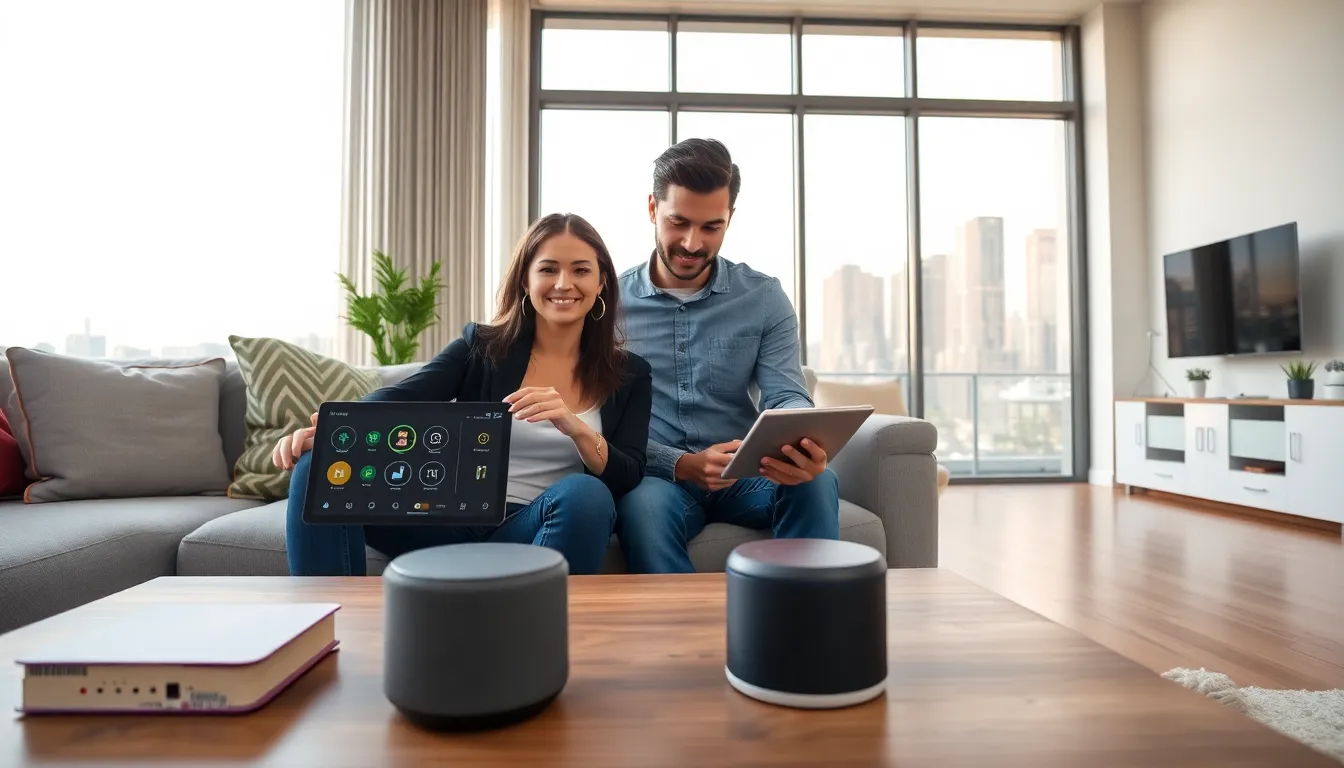
Have you ever thought about what you could do with a smart home? From controlling lights and thermostats remotely to managing security systems through smartphones, home automation is turning houses into responsive environments. Just imagine adjusting your home’s lighting or temperature without even getting up from your couch. Smart speakers like Google Home and Amazon Echo are not just trendy gadgets, they’re becoming essential in creating a connected living space.
Energy Management Solutions
On top of that, energy management solutions help homeowners monitor their usage in real-time. By understanding their energy habits, families can save money and reduce their carbon footprint. The fusion of convenience and sustainability is a win-win for both users and the planet.
Challenges and Considerations
Privacy and Security Issues
But, this advancement doesn’t come without its challenges. The digital footprint we all leave behind raises questions about privacy and security. As technology evolves, so do the means by which hackers and data thieves exploit our personal information. It’s crucial to stay informed and vigilant, employing best practices for online privacy.
Overreliance on Technology
Besides, there’s growing concern about overreliance on technology. While gadgets can help convenience, it’s essential to strike a balance. Straying too far into tech’s embrace might lead to reduced face-to-face interactions or a skewed perception of reality. Recognizing when to unplug is a critical skill in the age of connectivity.