Ever wondered how Japan seems to be living in the future? While most of the world is still grappling with tangled wires and outdated devices, Japan is ziplining through a technological wonderland. From smart toilets that feel like they belong in a sci-fi movie to robots mingling in daily life, the Land of the Rising Sun is a treasure trove of innovation. With technology seamlessly integrated into daily interactions, Japan offers a glimpse of how our future could look. Prepare to be amazed by the power of technology in everyday life in Japan.
Overview Of Technology In Japan
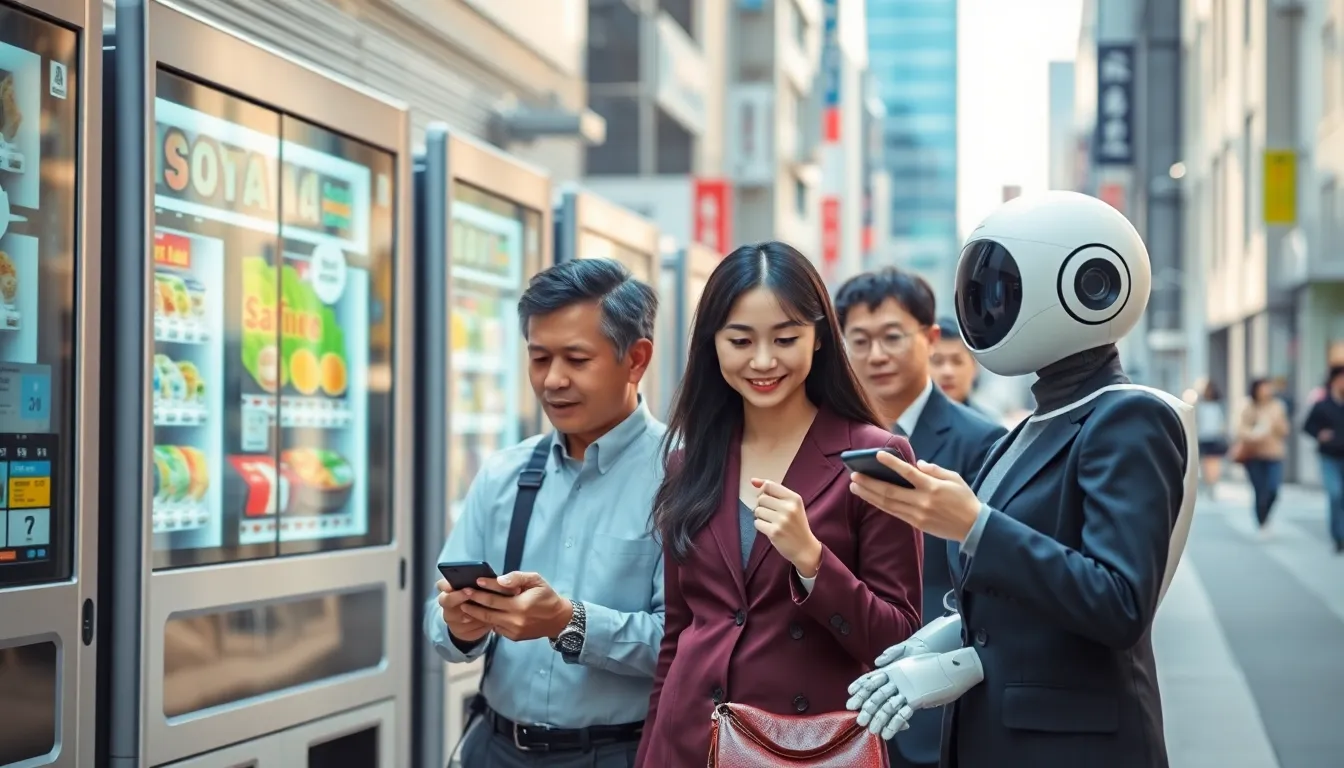
Japan is often seen as a beacon of technological advancement, where innovation feels like a daily ritual rather than a rare achievement. The country invests heavily in research and development, consistently leading in fields such as robotics, electronics, and information technology. The landscape is populated with futuristic vending machines that have options from hot meals to fresh flowers and robots that provide assistance both at home and in public spaces. What sets Japan apart is how effortlessly technology merges with culture, creating an environment where tech feels natural and indispensable. Citizens embrace advancements, whether it’s through smartphone applications that streamline daily tasks or automated systems that enhance convenience. The collective mindset here is one of continuity, between tradition and modernity, where technology augments life rather than replaces it.
Impact Of Robotics On Daily Activities
Robots play a pivotal role in transforming daily routines in Japan. They aren’t just found in factories or high-tech labs: they’re integrated into homes, schools, and public spaces. For example, we meet Pepper, a friendly humanoid robot designed to recognize emotions and engage in conversation. Found in numerous restaurants, hotels, and retail stores, Pepper has changed how people interact with robots, no longer tools, but companions making life a bit easier. Also, robotic vacuum cleaners and kitchen assistants save time and effort at home, allowing residents to focus on enjoying life rather than on chores. Healthcare is also seeing a revolutionary change, with robots capable of assisting the elderly with mobility or delivering medicines within hospitals. These innovations not only enhance daily activities but also open doors to new kinds of communication and interaction.
Smart Homes And IoT Innovations
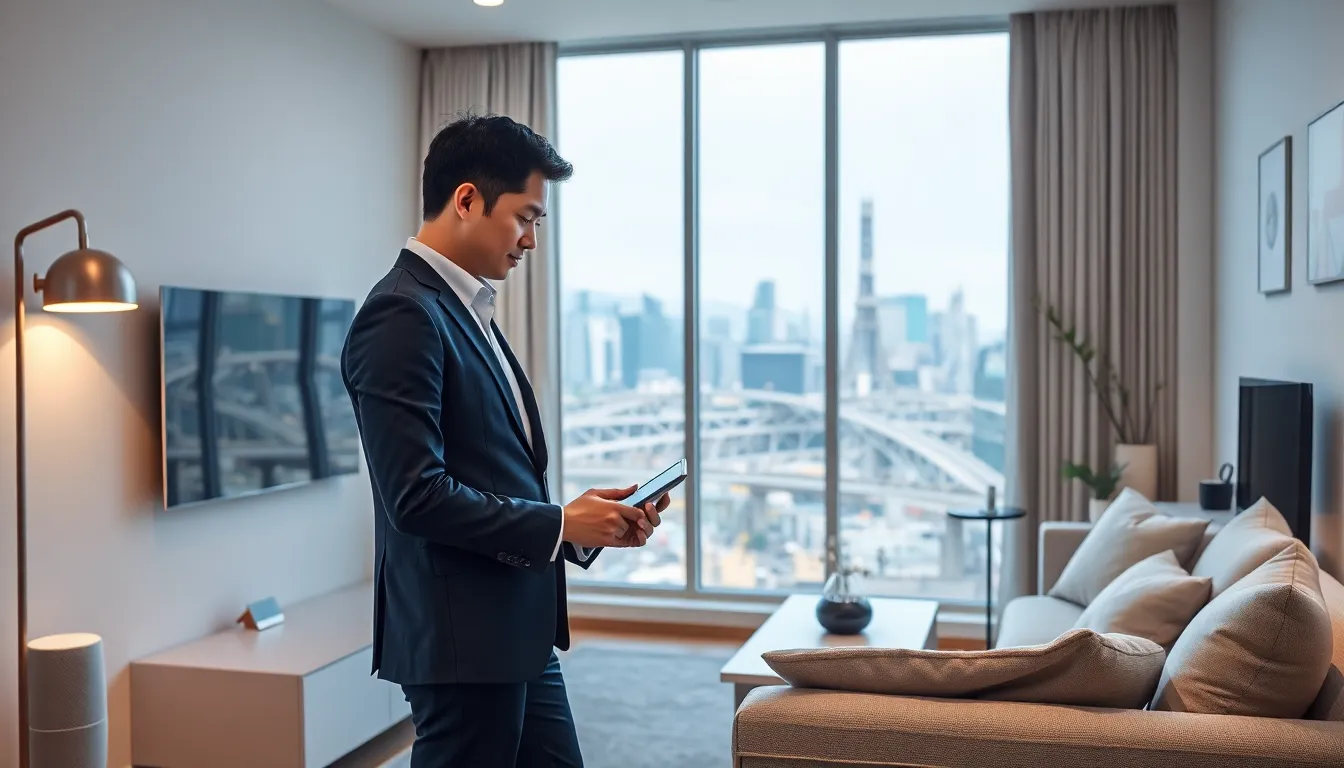
In Japan, smart homes are no longer a luxury but a part of everyday life. The Internet of Things (IoT) facilitates a level of connectivity that transforms mundane tasks into effortless experiences. Homeowners can control lighting, temperature, and even appliances with a tap on their smartphones. Featuring systems that learn from user behavior, smart thermostats adjust heating and cooling automatically, catering to individual preferences and significantly lowering energy consumption. Besides, security systems with smart surveillance allow homeowners to monitor their property from anywhere in the world. Residents in Japan enjoy smart mirrors that provide real-time updates on weather, traffic, and personal calendars, all while getting ready in the morning. The fusion of technology and comfort empowers individuals to manage their lives more effectively while embracing the conveniences that make daily life so much more enjoyable.
Transportation Advancements
Transportation in Japan is a marvel of efficiency, primarily driven by technology. The Shinkansen, or bullet train, demonstrates Japan’s commitment to fast, reliable public transportation. With speeds reaching up to 320 kilometers per hour, these trains connect cities quickly, ensuring people can rely on punctuality. Also, ticketing and scheduling systems are sleekly designed, often featuring mobile applications that allow travelers to plan their journeys effortlessly. In urban areas, the adoption of smart traffic lights and real-time public transport updates ensures smooth commuting experiences. Autonomous vehicles are gradually being tested and introduced, hinting at a future where passengers can sit back and enjoy the ride without worry. In a nutshell, transportation technology in Japan simplifies travel and enhances mobility, making it possible for individuals to navigate life seamlessly.
Healthcare Technology Integration
Japan’s healthcare system benefits remarkably from technology integration, enhancing patient care and fostering accessibility. Telemedicine has gained traction, enabling doctors and patients to connect remotely, which has proven crucial during health crises like the COVID-19 pandemic. Wearable technologies, including fitness trackers and health monitoring devices, are widely accepted, allowing individuals to keep track of their health metrics seamlessly. Hospitals now employ robots for surgery, ensuring precision and safety while minimizing recovery times. Besides, electronic health records simplify the sharing of medical information, drastically improving care coordination. By harnessing advanced technology, Japan not only improves health outcomes but also promotes a proactive approach to wellness.
Education And Learning Technologies
The education system in Japan is rapidly evolving, incorporating technological advancements to enhance learning experiences for students. Interactive learning platforms and digital classrooms gain traction, allowing students to access a wealth of resources from anywhere. Virtual reality (VR) and augmented reality (AR) are paving the way for immersive learning experiences, especially in subjects like science and history. Students can visualize complex concepts through engaging simulations, making education more accessible and enjoyable. Besides, technology facilitates collaboration among peers, enabling effective teamwork, even when students are miles apart. With a focus on integrating technology into curriculum, Japan ensures that young learners are not just consumers of technology but also skilled creators.