Ever found yourself in a heated debate over whether a toaster counts as a gadget? Or maybe you’ve tried to define a smartphone without sounding like you’re just listing features. Well, fear not. This article aims to clear up the haze surrounding gadgets. These nifty devices aren’t just for tech enthusiasts: they play a crucial role in our daily lives. Let’s jump into the world of gadgets and discover what makes them so essential, and a little quirky, too.
Understanding Gadgets

Gadgets, by definition, are small electronic or mechanical devices designed to perform specific functions. Though they often come packed with complex technology, they’re usually straightforward in their purpose. Why are gadgets so intriguing? It’s because they make our lives easier, more efficient, and sometimes a little more fun. Whether it’s an innovative kitchen device or a portable tech accessory, gadgets help streamline tasks and enhance experiences in unexpected ways.
But let’s get this straight: gadgets aren’t just about functionality. They often boast an aesthetic appeal as well. Think about your sleek smartphone or that stylish smartwatch, those are gadgets that blend form and function effortlessly.
The Evolution Of Gadgets
The evolution of gadgets is a captivating journey through time. From the humble beginnings of the mechanical clock to today’s multifunctional smartphones, the narrative is rich with innovation. In the early 20th century, gadgets were limited but revolutionary in their simplicity. They were designed primarily for practical uses: helping us cook, communicate, or even measure time accurately.
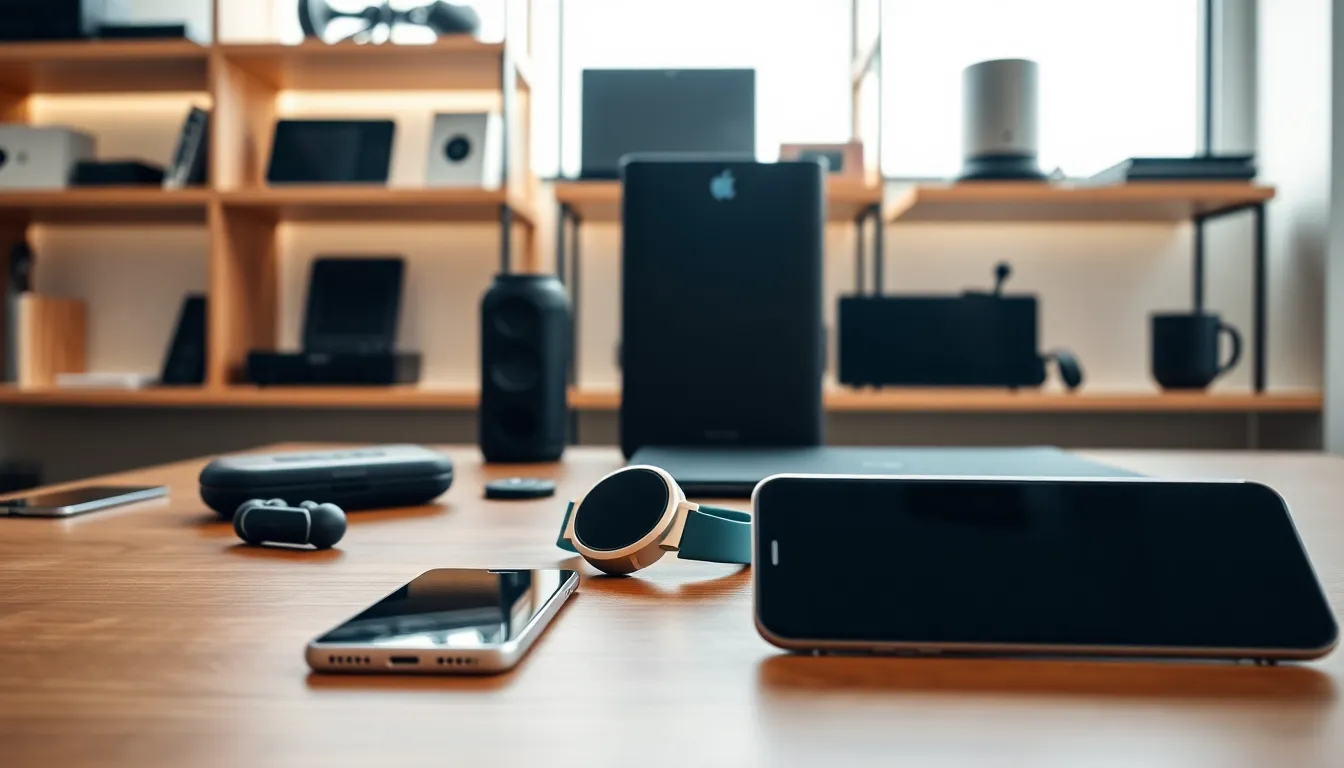
Fast forward to the 21st century: the technological landscape has exploded. Now desktops, tablets, and mobile devices are gadgets that not only assist but also entertain. Smart home technology allows users to control their environment from the palm of their hand: imagine adjusting the thermostat while lounging on the couch.
Given the rapid advancements, gadgets have adapted to our desires and lifestyle changes, ensuring they remain relevant and indispensable.
Types Of Gadgets
Understanding the diverse types of gadgets can be educational and fun. Here are two key areas worth exploring:
Characteristics Of Gadgets
- Portability: Most gadgets are designed to be easily transported. This feature makes them ideal for on-the-go usage, fitting effortlessly into bags or pockets.
- Multi-functionality: Many gadgets are versatile, merging multiple functionalities into one device. For instance, smartphones serve as cameras, communication tools, and gaming devices, not just one but many.
- User-Friendly: Gadgets are often created with simplicity in mind, ensuring users can operate them without extensive knowledge or training.
Examples Of Common Gadgets
- Smartphones: The all-in-one device that feels like an extension of oneself.
- Fitness Trackers: These gadgets monitor health metrics, making them perfect for those looking to improve their fitness.
- Wireless Earbuds: A blend of style and convenience, allowing users to enjoy music and take calls without being tethered to a device.
- Smartwatches: These gadgets keep the important stuff just a glance away, combining many applications into one wrist-worn gizmo.
Impact Of Gadgets On Daily Life
When discussing the impact of gadgets on daily life, it’s hard to ignore their profound presence. These devices have reshaped how individuals communicate, learn, and even unwind.
Consider communication: We’re now more connected than ever. Whether it’s a quick text or a video call, gadgets have eliminated distances. For learning, students can access a wealth of information via their tablets or laptops, effectively making knowledge more accessible.
But, this reliance presents some challenges. For example, the gadgets’ omnipresence may lead to distractions, reducing face-to-face interactions and contributing to shorter attention spans. So, it’s crucial to find a balance in utilizing tech while maintaining quality human connections.