
Table of Contents
ToggleImagine stepping into a home that feels like a warm hug, where every corner whispers tranquility and every color sings harmony. Ambient living settings aren’t just about aesthetics; they’re about creating a sanctuary that nurtures the soul. In a world buzzing with chaos, these thoughtfully designed spaces offer an escape that’s both stylish and soothing.
From soft lighting that casts a gentle glow to textures that invite you to sink in and relax, ambient living settings transform ordinary rooms into extraordinary retreats. It’s like having a personal spa, yoga studio, and cozy café all rolled into one. So why settle for a space that just exists when you can have one that truly lives? Dive into the world of ambient living and discover how to elevate your home into a masterpiece of comfort and calm.
Overview of Ambient Living Settings
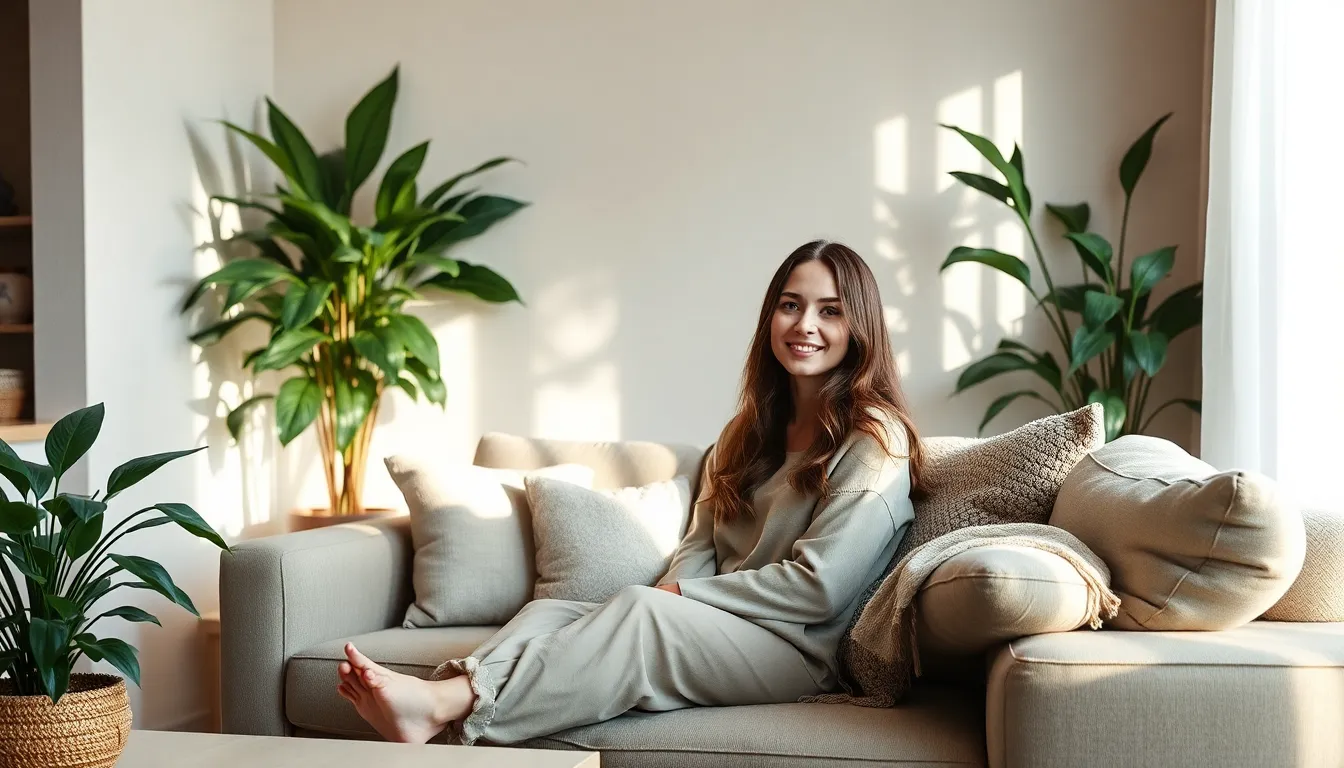
Ambient living settings focus on transforming spaces into serene retreats. These environments use design elements like soft lighting, natural materials, and inviting textures to promote tranquility. A carefully curated space encourages relaxation and comforts daily life.
Designing these settings involves selecting colors that evoke calmness. Neutral palettes with earthy tones create a peaceful atmosphere, while splashes of color can highlight specific areas. Furniture should be chosen for its comfort and aesthetic appeal, contributing to the overall ambiance.
Incorporating nature is essential for enhancing ambient living. Indoor plants bring life to spaces, improving air quality and creating a connection with the outdoors. Natural light plays a crucial role as well; maximizing sunlight fosters a bright and welcoming environment.
Textures significantly impact the sensory experience in ambient living spaces. Soft fabrics in the form of cushions and throws add warmth, while smooth surfaces contribute to a cohesive look. Layering different textures adds depth, creating an inviting atmosphere.
Sound also influences the feeling of a space. Incorporating elements like indoor water features or sound systems can provide soothing background noise, further enhancing relaxation. The goal remains to design an environment that nurtures the soul.
Focusing on personal preferences ensures these settings reflect individual tastes. Each element should resonate with the inhabitants, making the space uniquely theirs. Creating an ambient living setting involves a thoughtful approach to design, leading to spaces that embody comfort, calm, and style.
Importance of Ambient Living Settings
Ambient living settings significantly impact overall well-being. These spaces foster peace and serenity, creating environments that nurture both body and mind.
Benefits for Mental Health
Creating ambient living settings supports mental health through reduced stress and increased relaxation. Calm colors and soft lighting promote a soothing atmosphere, helping individuals manage anxiety more effectively. Incorporating elements like natural materials and indoor plants enhances emotional well-being, as nature has proven restorative effects. Regular exposure to these thoughtfully designed spaces encourages mindfulness, allowing for deeper introspection and emotional balance. Moreover, customized environments reflect personal taste, which can further boost self-esteem and happiness.
Enhancing Comfort and Well-being
Enhancing comfort directly influences well-being in ambient living settings. Soft furnishings and plush textiles invite relaxation, creating cozy retreats ideal for unwinding. Natural light, when maximized, elevates mood and energy levels while promoting connection to the outdoors. Spaces tailored to individual needs also improve daily life quality. Soundscapes, such as gentle music or nature sounds, contribute to an overall sense of calm. Attention to these details transforms living areas into havens of tranquility where comfort reigns.
Elements of Ambient Living Settings
Ambient living settings encompass various elements, each contributing to a serene and harmonious atmosphere. These include lighting, color schemes, and textures that work collectively to create a relaxing home environment.
Lighting Considerations
Lighting plays a pivotal role in setting the mood. Soft, ambient lights promote relaxation and enhance comfort. Incorporating dimmable fixtures allows for control of brightness, adjusting the intensity to match different activities. Natural light should not be overlooked; maximizing windows and using sheer curtains can invite sunshine indoors, fostering a warm ambiance. Additionally, layered lighting, such as using floor lamps alongside ceiling lights, adds depth and visual interest. Soft LED bulbs can replace harsh fluorescents, providing a more inviting glow that soothes the senses.
Color Schemes and Textures
Color schemes and textures significantly influence the overall feel of a space. Calming colors such as blues, greens, and neutrals evoke tranquility and relaxation. These hues work well in various combinations, creating a cohesive look throughout the home. Textures contribute to the tactile experience; soft fabrics like cotton, linen, and wool enhance comfort and warmth. Varied textures, from plush cushions to woven baskets, add visual intrigue while inviting touch. Layering these elements fosters a welcoming environment that emphasizes personal style and comfort, transforming ordinary spaces into haven-like retreats.
Designing an Ambient Living Setting
Creating an ambient living setting involves thoughtful space planning and technology integration, ensuring a sanctuary that promotes relaxation and well-being.
Space Planning and Layout
Effective space planning defines the flow and usability of a room. Begin by determining focal points, such as a cozy seating arrangement or an art piece. Arrange furniture to encourage conversation while maintaining open pathways. Utilize multifunctional furniture, such as ottomans and nesting tables, to maximize space in smaller areas. Define zones based on activities like reading or relaxing, creating distinct yet harmonious sections. Consider scale to ensure that larger furniture pieces do not overwhelm a room. Layers add depth, so combine varied heights and shapes in the layout, enhancing visual interest and comfort.
Incorporating Technology
Integrating technology into ambient living settings enhances convenience and atmosphere. Smart lighting systems allow users to adjust brightness and color temperature to match mood or activity. Voice-controlled devices enable seamless adjustments for temperature and sound without physical interaction. Select sound systems that provide soothing background music or nature sounds, contributing to a calming environment. Use automated window treatments to optimize natural light while maintaining privacy when necessary. Prioritize user-friendly interfaces, ensuring that technology complements rather than complicates the serene atmosphere.
Creating ambient living settings is more than just an aesthetic choice; it’s a pathway to enhanced well-being. By focusing on elements that promote tranquility and comfort, individuals can transform their homes into personal sanctuaries. The thoughtful integration of natural materials, calming colors, and soft lighting plays a crucial role in this journey.
As they explore their unique preferences, they can craft spaces that not only reflect their style but also nurture their mental and emotional health. Embracing the principles of ambient living can lead to a more balanced and fulfilling life, making every moment spent at home a restorative experience.