
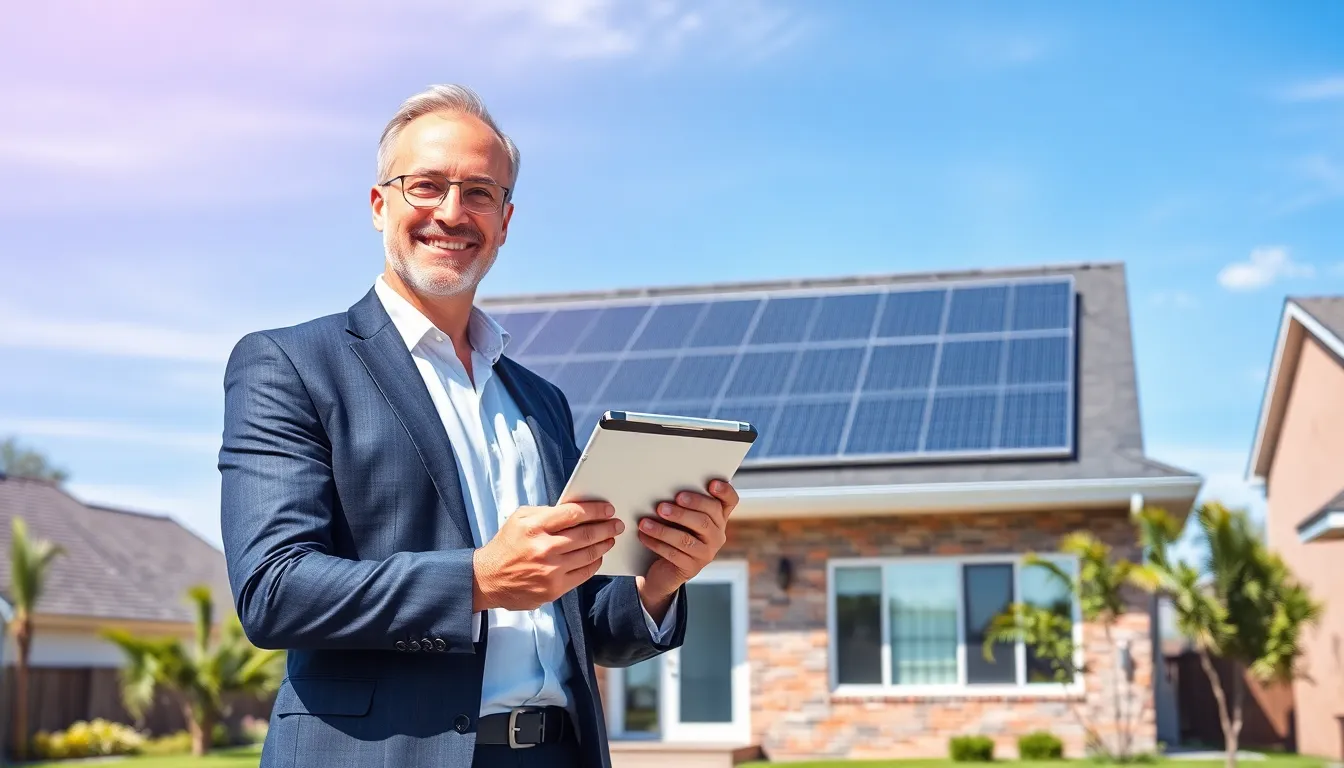
Imagine living in a home that not only keeps you cozy and relaxed but also powers itself with sunshine, sounds like a futuristic dream, right? Welcome to the world of solar smart living. It’s where eco-friendly meets tech-savvy, bringing about a lifestyle that’s smart in every sense of the word. From harnessing the sun’s rays to managing energy consumption through apps, solar smart living is all about innovation and sustainability. Let’s immerse and explore how this remarkable approach is transforming homes and lives.
Understanding Solar Smart Living

Solar smart living encompasses the integration of solar energy solutions with smart home technology. It’s not just about installing solar panels: it’s about creating a sustainable ecosystem where smart devices communicate with energy systems to optimize consumption.
To really grasp the concept, consider solar panels. These aren’t the bulky, overly visible panels from decades ago. Today’s solar panels are sleek, efficient, and can easily blend into a rooftop. They capture sunlight, converting it into usable electricity that powers homes.
Smart technology, on the other hand, refers to devices that connect to the internet, allowing users to monitor and manage their energy usage from anywhere, at any time. With a solar smart home, this means homeowners can track energy production, manage consumption, and even adjust settings remotely to maximize efficiency.
Benefits of Adopting Solar Technology
Adopting solar technology comes with a treasure trove of benefits. First off, there’s the financial aspect. With escalating electricity prices, generating your own power not only saves money but also adds value to your property. Let’s face it: who wouldn’t want that?
Environmental impact is another crucial benefit. Solar energy reduces dependence on fossil fuels, so decreasing one’s carbon footprint. Individuals can take pride in contributing to a cleaner planet while enjoying the comforts of modern living.
Besides, many regions offer financial incentives for going solar, which can significantly offset the initial costs. Tax credits, rebates, and even grants can transform a potentially hefty investment into an accessible opportunity.
Key Components of Solar Smart Homes
A solar smart home combines several key components to create an efficient energy system. At the core are solar photovoltaic (PV) panels that collect sunlight. These panels connect to an inverter that converts the generated electricity into usable power.
Battery storage systems are also essential. They store excess energy for use during cloudy days or at night, ensuring that homeowners have a steady power supply. This capability enhances energy independence.
Smart meters and energy management systems play crucial roles as well. They provide real-time data on energy production and consumption, allowing homeowners to make informed decisions. Imagine adjusting your energy use based on real-time insights rather than guesswork, pretty powerful, right?
Integrating Smart Technology with Solar Solutions
Integrating smart technology with solar solutions takes convenience to the next level. Home automation systems can tie in solar production data, optimizing energy usage automatically. For instance, if solar production peaks during the day, your smart home could schedule energy-intensive tasks, like running a washing machine, for these optimal times.
Smart thermostats can learn the preferences of the residents, adjusting heating and cooling based on solar energy availability. This interaction between solar energy systems and smart technology reduces waste and enhances efficiency.
Financial Incentives and Support for Solar Smart Living
The financial landscape for solar smart living is quite favorable, thanks to various incentives designed to encourage adoption. Federal tax credits allow homeowners to deduct a percentage of the cost of solar systems from their federal taxes. Some states offer additional incentives, such as rebates or credits, making solar more affordable.
Utility companies may also provide programs that offer financial incentives for customers who install solar panels and contribute excess energy back to the grid. These initiatives not only ease the upfront costs but also help in recouping investment faster, making solar smart living a viable option for many.
Challenges in Implementing Solar Smart Living
Even though its benefits, implementing solar smart living does come with challenges. For starters, the initial investment can be daunting. Homeowners may be concerned about the upfront costs even though the long-term savings.
Another challenge is the variability of solar energy. Weather conditions affect the amount of energy produced, making it essential for homeowners to have backup systems in place. This reliance on consistent sunlight sometimes leads to hesitation among potential adopters.
Also, there are sometimes regulatory hurdles to navigate, particularly in different states or municipalities with varying solar policies. Understanding these complexities can be a roadblock for many.
The Future of Solar Smart Living
The future of solar smart living looks incredibly bright. As technology advances, we can expect even more efficient solar panels and smarter energy management systems. Innovations such as integrated solar rooftops or solar windows may soon become commonplace.
Also, as awareness about climate change grows, more individuals and communities are likely to embrace sustainable practices. With supportive policies and community initiatives, solar smart living could become the norm rather than the exception.